

Guides
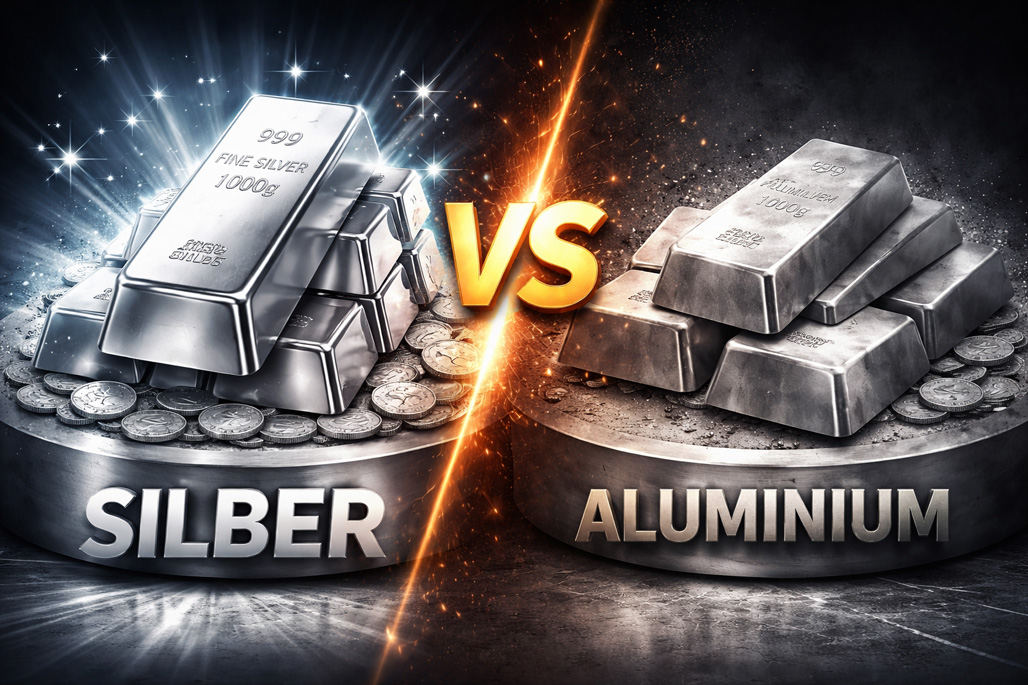
ARTOS uses silver instead of aluminum

Environmental sustainability is becoming an increasingly concrete priority in international fencing. With the start of the 2025/26 season, the International Fencing Federation (FIE) has taken a decisive step toward integrating sustainable practices into its competitions. Agreements between the FIE, national federations, and local organizing committees now include specific sustainability requirements, ensuring that environmentally responsible practices are incorporated into both the planning and execution of events.
Artos actively supports these sustainable and environmentally friendly practices.
In 2026, Artos will introduce the world’s first PFAS-free fencing piste. The Artos Silver piste weighs only 25 kg and is made from a smart textile based on silver technology. Its significantly lower weight compared to all other pistes reduces transport costs and CO₂ emissions — benefiting both budgets and the environment. Its high functionality and durability ensure exciting, high-level fencing performance.
Silver has strong antimicrobial and antibacterial properties. Silver ions destroy bacteria, viruses, and fungi, which is why silver textiles are widely used. Silver is skin-friendly, hygienic, and has been valued for its health-related benefits for thousands of years — for example, in silver cutlery, drinking vessels, and medical implants.
Silver is considered environmentally friendly due to its role in the energy transition, its antibacterial properties, and its excellent recyclability.
Silver has the highest electrical conductivity of all metals. Its atomic structure allows extremely free electron movement, combined with high corrosion resistance (low oxidation), making it ideal for conductive applications.
Workers who inhale aluminum dust or fumes may show impaired neurological performance. People with kidney disease can accumulate aluminum in the body, sometimes leading to bone or brain disorders associated with excess aluminum.
Aluminum production is extremely energy-intensive. Bauxite mining — especially in Brazil and Australia — leads to rainforest destruction, toxic red-mud waste, high CO₂ emissions, ecosystem damage, and frequent social conflicts. Its high weight also increases transportation emissions and costs.
Aluminum forms a natural insulating oxide layer immediately upon contact with air. This significantly reduces surface electrical conductivity and makes reliable electrical contact difficult.

Gründer und geschäftsführende Direktor von ARTOS Fencing, Entwickler der patentierten Fechtbahnen und innovativer Fechtsport‑Technologien sowie international engagierter Funktionär und ehemaliger National‑Fechter.
View all posts by Steffen Grollmisch References
 Global Activities
 Steffen Grollmisch
 ARTOS History